The Complete Guide to Product Photo Styles
From studio white backgrounds to lifestyle shots, learn which photo styles work best for different products and platforms.
One Style Doesn't Fit All
Walk through any e-commerce site and you'll notice products aren't all photographed the same way. A watch sits on a marble surface with dramatic lighting. A t-shirt lies flat against a white background. A sofa appears in a styled living room.
These choices aren't arbitrary. Different photo styles serve different purposes, appeal to different audiences, and work better for certain product categories.
The White Background (Studio) Shot
What it is: Product photographed against a pure white (#FFFFFF) background with even, shadowless lighting.
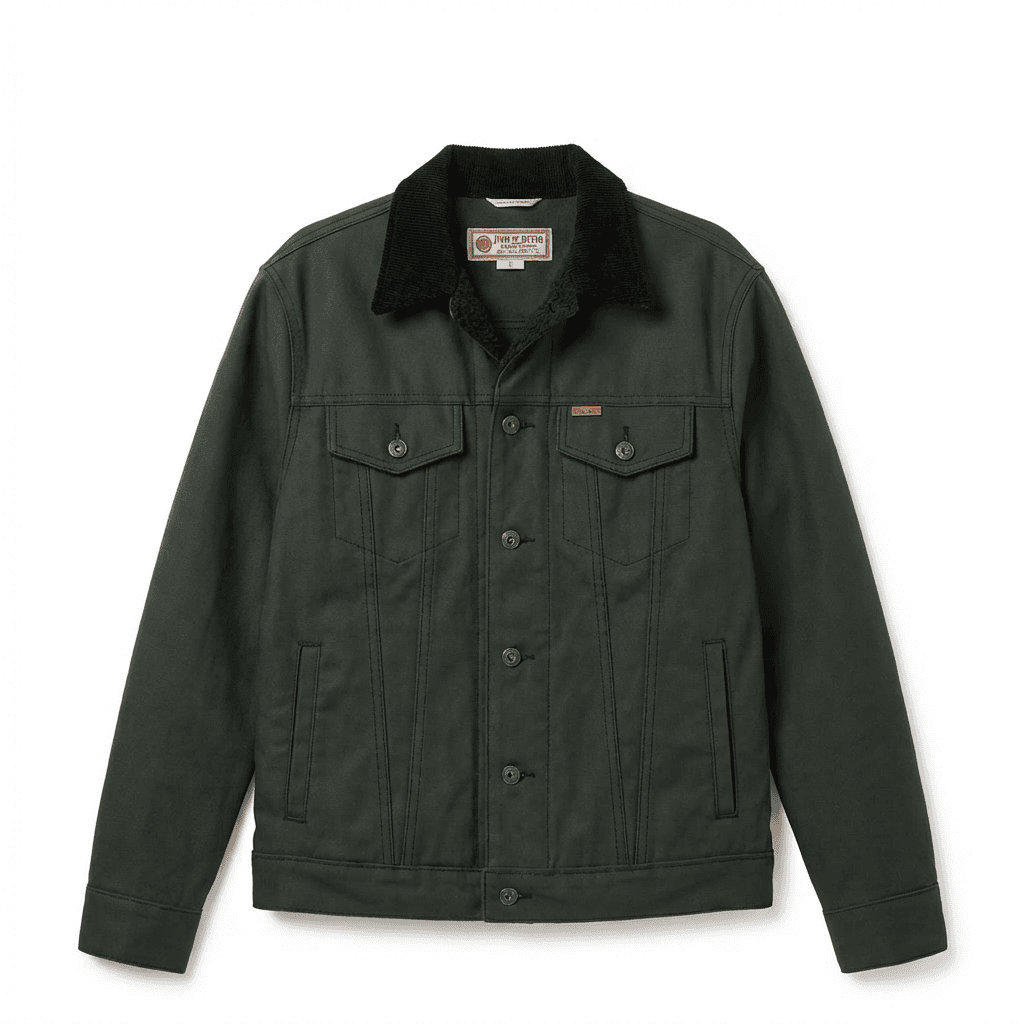
Why it works: Nothing competes for attention. The product is the entire story. Colors appear accurate. The look is clean and professional.
Best for:
- Marketplace listings (Amazon requires white backgrounds)
- Product catalogs
- Comparison shopping
- Technical products where details matter
Watch out for: White background shots can feel sterile or boring if that's all you use. They're essential for main images but shouldn't be your only style.
Lifestyle Photography
What it is: Product shown in a real-world setting or being used by a person. The product exists within a scene rather than floating in space.
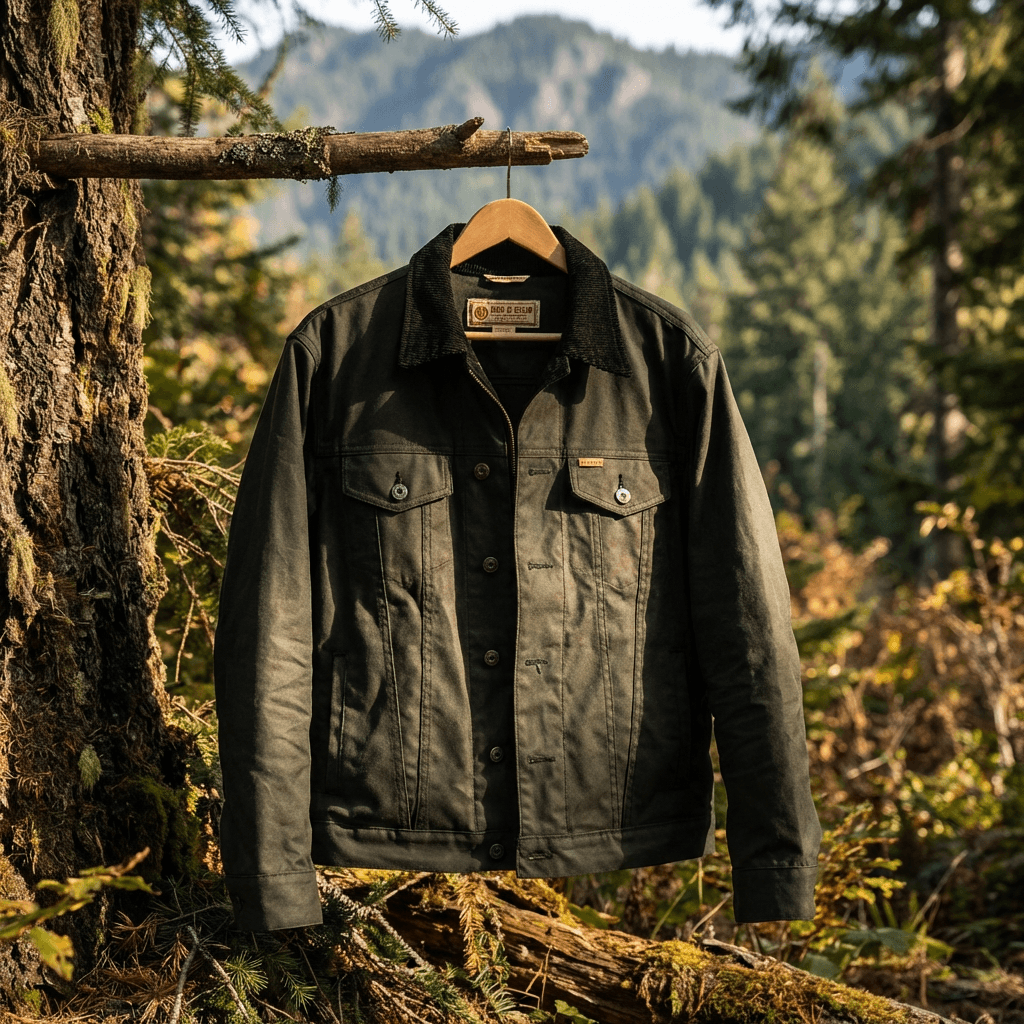
Why it works: Helps customers imagine the product in their own life. Creates emotional connection. Shows scale and context that white background shots can't convey.
Best for:
- Fashion and apparel
- Home goods and furniture
- Food and beverage
- Outdoor and sports equipment
- Any product where "how it fits into my life" matters
Watch out for: The setting shouldn't overpower the product. If viewers remember the beautiful kitchen but forget what product you were selling, the image failed.
Flat Lay Photography
What it is: Products arranged on a flat surface and photographed directly from above. Everything exists on a single plane.
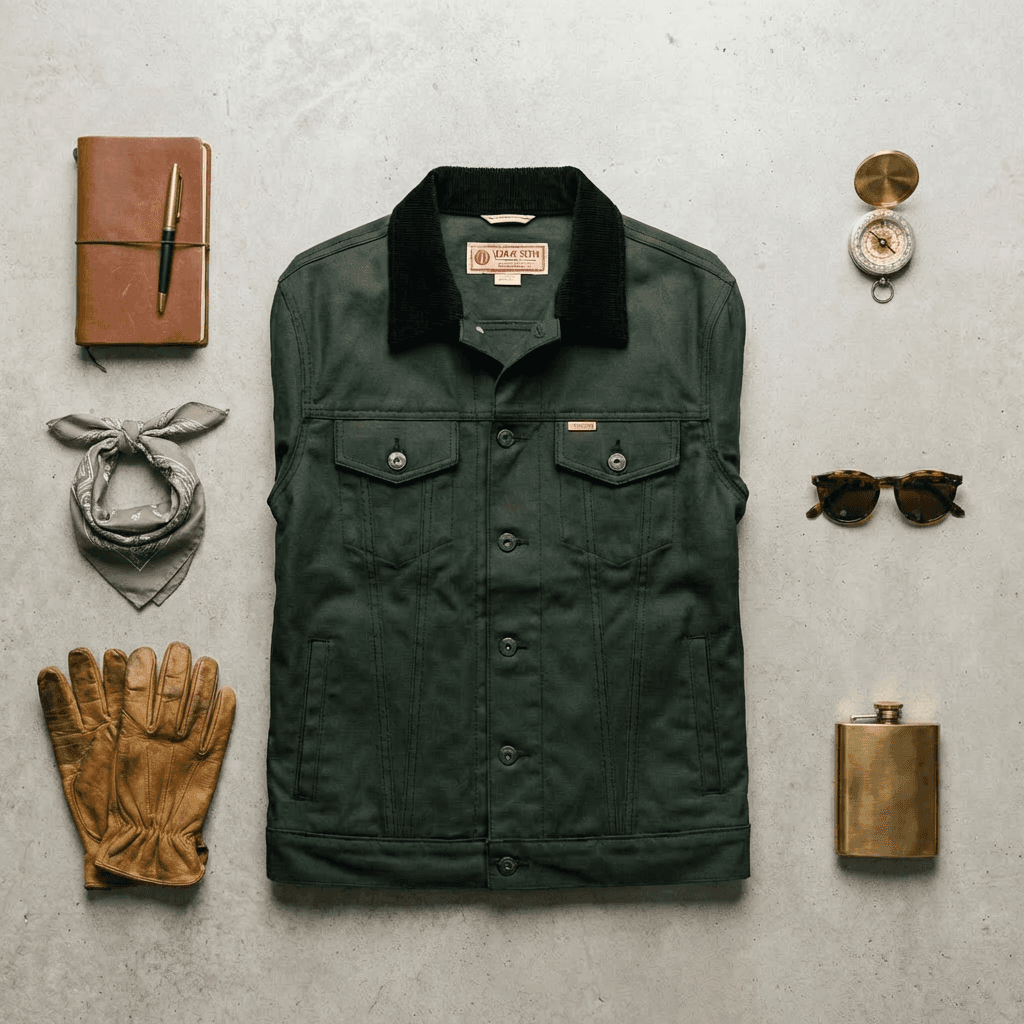
Why it works: Creates a curated, editorial feel. Works great for showing product collections or what's included in a package. Very shareable on social media.
Best for:
- Beauty and cosmetics
- Stationery and office supplies
- Clothing accessories
- Food ingredients
- "What's in the box" shots
Watch out for: Flat lays look deceptively simple but require careful arrangement. Poor composition makes them feel random rather than intentional.
Contextual Close-ups
What it is: Tight shots focusing on specific product details, textures, or features.
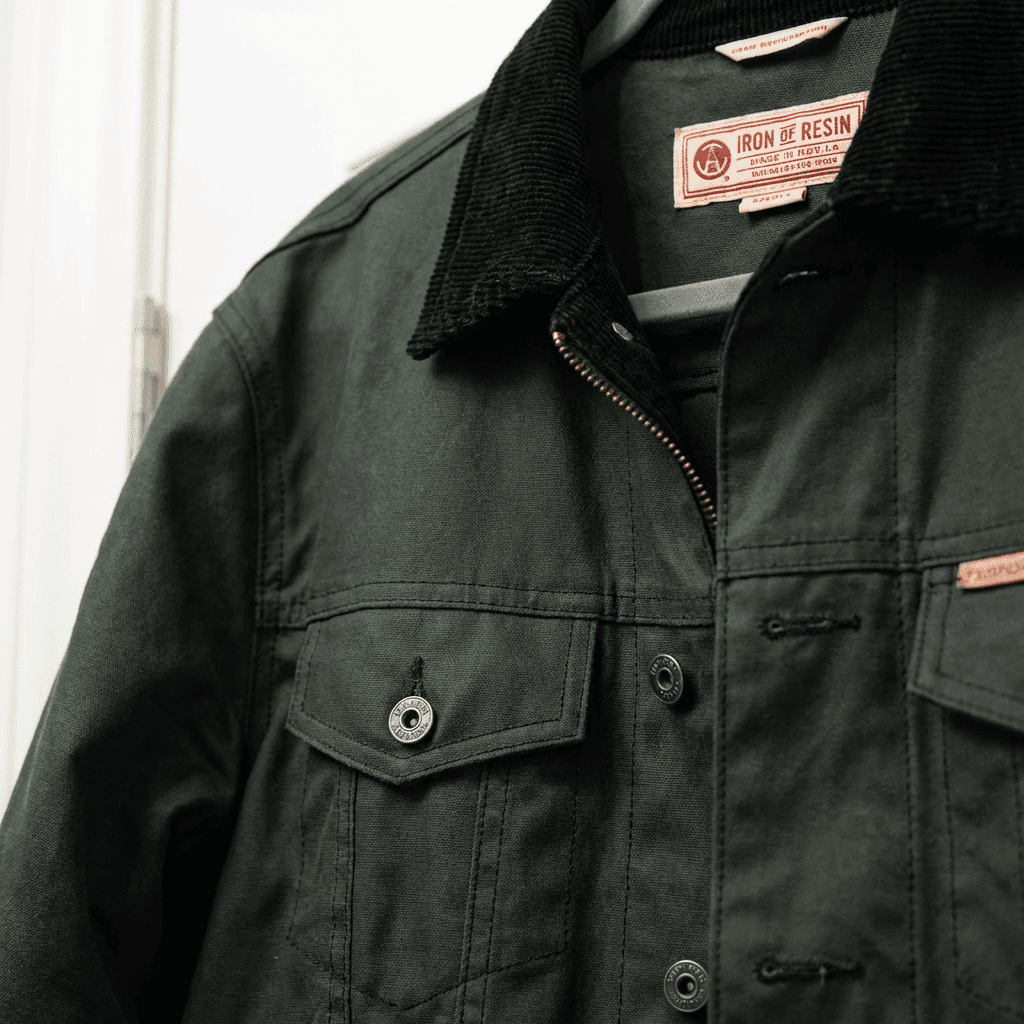
Why it works: Builds trust by showing exactly what customers will receive. Highlights quality and craftsmanship. Answers questions before they're asked.
Best for:
- Products with important texture (leather, fabric, wood grain)
- Items with detailed craftsmanship
- Electronics with ports, buttons, or interfaces
- Anything where quality concerns drive purchase decisions
Watch out for: Close-ups reveal everything, including flaws. Make sure your product quality can withstand scrutiny.
Scale and Size Reference
What it is: Product shown next to common objects to communicate actual size.
Why it works: Solves one of e-commerce's fundamental problems: customers can't tell how big something actually is from photos alone. Reduces returns from "it was smaller/bigger than I expected."
Best for:
- Any product where size might be ambiguous
- Items that look similar at different sizes
- Products where customers frequently comment on unexpected dimensions
Watch out for: The reference object should be universally understood. A coin works. An obscure item that varies by region doesn't.
Matching Style to Platform
Different platforms have different expectations:
| Platform | Main Image | Secondary Images | |----------|-----------|------------------| | Amazon | White background required | Lifestyle, infographics, comparison charts | | Etsy | Lifestyle preferred | Handmade aesthetic, process shots | | Shopify/DTC | Full creative control | Mix styles strategically | | Instagram | Lifestyle and flat lay | Editorial, aspirational imagery |
Building Your Product Photo Library
For most products, you need multiple styles:
Primary images (required):
- Clean white background hero shot
- Additional angles on white
Secondary images (highly recommended):
- At least one lifestyle shot
- Detail/close-up of key features
- Scale reference
Bonus images (when relevant):
- Flat lay with accessories
- In-use demonstration
- Package contents
How AI Changes the Equation
Traditionally, each photo style required different setups, skills, and sometimes different photographers entirely. A studio shooter might not be a lifestyle photographer. Arranging both for a product launch meant coordinating multiple vendors and schedules.
AI product photography collapses this complexity. Upload one decent photo of your product and generate:
- Clean white background shots
- Multiple lifestyle environments
- Seasonal variations
- Platform-optimized crops
What once required multiple photoshoots now happens in minutes.
Try it free and see every style available for your products.
Ready to transform your product photos?
Upload a photo and see what AI can do. No credit card required.
Try it freeMore articles
Discover how artificial intelligence is changing the game for online sellers, making professional product photos accessible to everyone.
These common errors could be costing you sales. Learn what they are and how to fix them.